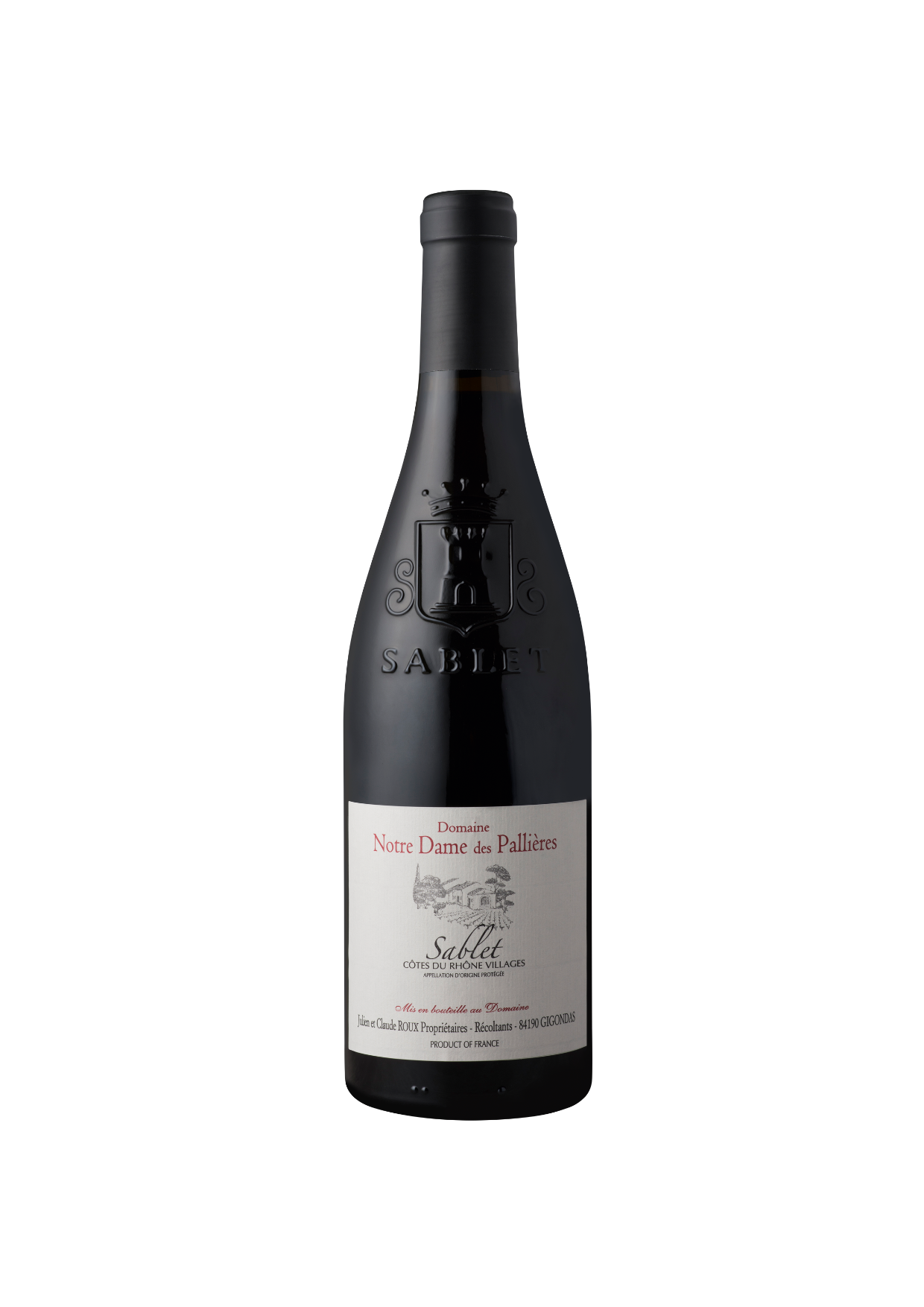
L´Olivet Côtes-du Rhône Villages Sablet 2020 - Notre Dame des Pallières
Couldn't load pickup availability
Alcohol content: 14.5% vol.
Total acidity: 4.7 g/L
Total sugar: 0.8g/L
Grape varieties: Grenache: 50% - Syrah: 50%
This wine has a beautiful, bright, clear, deep cherry-red color. Intensive aromas of fresh fruit (especially blackcurrant), pepper, and anise emerge, complemented by a mineral note (flint). The palate is rich and concentrated, with straight and silky tannins. Good length with aromas of licorice, cocoa, and ripe fruit.
It is an ideal wine for approaching the subject of the Rhône. It presents both characters very harmoniously with soft tannins.
The wine contains sulfites.
Share

The Winery
The "Notre Dame des Pallières" winery has belonged to the Roux family for generations and is one of the historic estates in Gigondas, the small village at the foot of the rocky "Dentelles de Montmirail." It spans 30 hectares and produces the following appellations: Gigondas, Rasteau, Sablet, Lirac, and Côtes du Rhône. The typical grape varieties of the southern Rhône Valley—Grenache, Mourvèdre, and Syrah—are combined on the property into high-quality grapes, which are pressed according to pure tradition. The vines are rooted in Quaternary fluvial alluvial soil and benefit from the microclimate of the small Trignon Valley and exceptional sunshine. The oldest of these, located in Gigondas, were planted by our great-grandfather Jules Roux. On sometimes extremely barren soils, yields are very low at 30 hl per hectare.
-
Geography
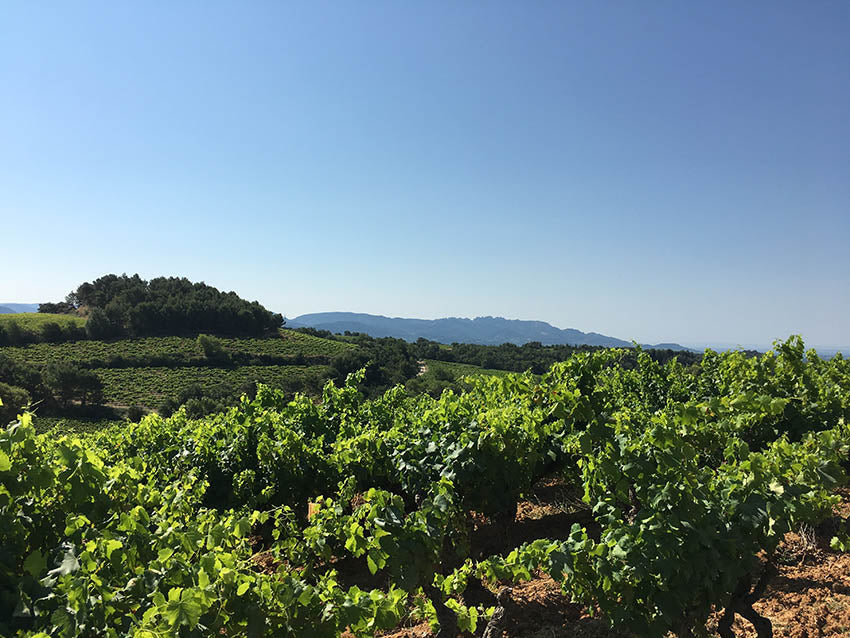
TERROIR Sablet: The more than 40-year-old vines of Sablet are located on the slopes above the village for the Grenache (clay-limestone subsoil) and near the village for the Syrah (gravelly-limestone subsoil). The vines are anchored in Quaternary fluvial alluvial soil and benefit from the microclimate of the small Trignon valley and exceptional sun exposure. The oldest of these, located in Gigondas, were planted by great-grandfather Jules Roux. The "Notre Dame des Pallières" estate has been owned by the Roux family for generations and is one of the historic domaines in Gigondas, the small village at the foot of the rocky "Dentelles de Montmirail". On soils that are sometimes extremely barren, yields are very low at 30 hl per hectare. The estate covers 30 hectares and produces the following appellations: Gigondas, Rasteau, Sablet, Lirac, and Côtes du Rhône. The typical grape varieties of the southern Rhône valley, Grenache, Mourvèdre, and Syrah, are combined on the property to create quality wine grapes, which are pressed in pure tradition.
TERROIR Rasteau: The powerful Rasteau is a cuvée vinified from the Cinsault, Grenache, Mourvèdre, and Syrah grape varieties. The grapes grow under optimal conditions in Provence. Grenache Noir is the queen of grape varieties in the AOP Rasteau. It is perfectly suited to the barren and wind-swept terroir with its highly exposed slopes. The vines face south and are planted on soil made of marl covered with pebbles. The vines dig their roots deep into the soil here. Due to the elevated location, the aroma is influenced by cool nights, which gives the wine its elegant and structured character. The old vines, which stand grouped in "Ratanaud" on the hilltop that divides the Aygues and Ouvèze valleys, are planted in marl. The brown soils, covered with pebbles, protect against dehydration. In summer, the nights are cool due to the altitude (+ 360 m). The optimal sun exposure from sunrise to sunset allows for uniform ripening of the berries. These typical characteristics allow for the creation of great wines.
-
Vinification
Rasteau: The old vines are harvested by hand at full ripeness. The grapes are destemmed and placed in vats for a long maceration (over 30 days) with temperature control, delestage, and remontage; the vat is drained and the pomace is pressed. The press wines are kept separate and blended with the "goutte" in the spring. 60% is matured in concrete tanks, the rest in French oak barrels (3rd and 4th fill); these two lots are blended before bottling.
Sablet: The selection of old vines is harvested by hand and the grapes are carefully sorted. All grapes are then destemmed. The two grape varieties are vinified separately, with maceration lasting approximately 20 days with temperature control. Blending takes place at the end of fermentation, followed by malolactic fermentation.