

Domaine Le Clos de Lumière, Rhône Fournes
-

Viticulture
Terroir: Rolled pebbles, clay and limestone subsoil from the Miocene and Ice Age (-6 to -18 million years). Soil with high complexity. This region enjoys the most hours of sunshine in France, which promotes photosynthesis. The northern wind "Le Mistral," which has a very positive effect on the health of the vines, blows here on an average of 100 days a year.
Viticulture: The vines are planted at a density of 4,000 vines per hectare. The number of treatments is restricted depending on weather conditions. Fertilization is based on soil and leaf analysis, thus ensuring a better balance between soil and vines. Control of vigor, leaf removal, pruning, and yield limitation to ensure better ripening and quality of the grapes.
Vinification: The grapes are harvested at night to prevent oxidation. In the cellar: Crushing and destemming. Cold maceration before fermentation, followed by a three-week maceration period, accompanied by pumping over, racking, and oxygenation until optimal and balanced extraction is achieved. -

Winery
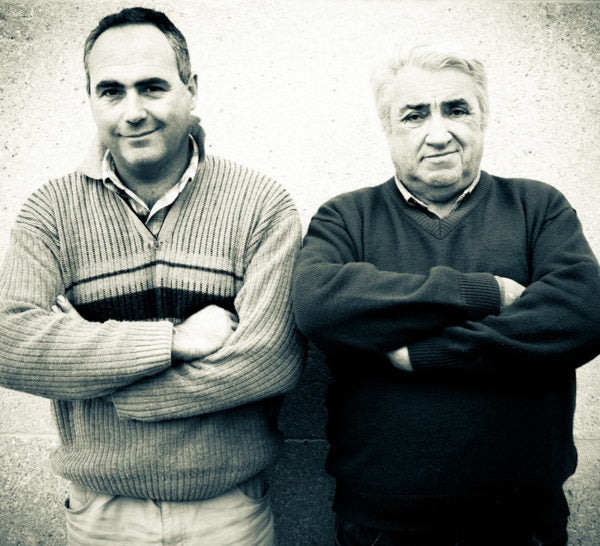
The long-standing "Clos des Lumières" estate is a shining example of a family-run winery in Southern France, lovingly passed down from generation to generation, from father to son. As times change and market conditions evolve, the business adapts accordingly. Grandfather André Serrano laid the foundation with a modest one-hectare plot. His son Daniel brought the grapes to the local cooperative. But when Gérald, the grandson, took the reins in 1997, the winery experienced a renaissance: both the wine cellar and the outdoor facilities were modernized. The decisive step of leaving the cooperative in 2003 marked a turning point. Their hard work and dedication have been rewarded in recent years with numerous awards in the Guide Hachette and at national wine tastings.

